Category: Blog

  • The Fascinating World of Bats

    The Fascinating World of Bats

    Introduction:

    Bats are often misunderstood and feared by many people, but they are actually fascinating and important animals that play a vital role in the ecosystem. Bats are the only mammals capable of true flight, and they come in a variety of shapes, sizes, and behaviors.

    In this blog post, we will explore the physical characteristics, habitat, diet, lifespan, and importance of bats.

    Physical characteristics:

    Bats range in size from the tiny bumblebee bat, which weighs just 0.3 ounces and has a wingspan of about 6 inches, to the giant golden-crowned flying fox, which can have a wingspan of up to 6 feet and weigh up to 3.5 pounds.

    Most bats have a wingspan of about 8-12 inches and weigh between 0.5-1.5 ounces. Bats have thin and flexible wings made of skin stretched over bones, which allow them to fly with agility and grace. They also have sharp teeth and strong claws, which they use to catch and eat their prey.

    Habitat and distribution:

    Bats are found on every continent except Antarctica, and they can live in a variety of habitats including forests, deserts, caves, and even cities. Some species of bats roost in trees, while others roost in caves or buildings. Bats are adaptable and can survive in different climates and environments.

    Diet and eating habits:

    Bats are carnivores, and their diet consists of insects, fruit, nectar, and sometimes small animals such as birds, lizards, and frogs.

    Most bats use echolocation to locate their prey, emitting high-pitched sounds and listening for the echoes to bounce back and reveal the location and size of the prey. Some bats also use their keen vision and sense of smell to locate their food.

    Bats have a slow metabolism and can go for long periods without eating, storing fat in their bodies to use as energy when food is scarce.

    Lifespan and reproduction:

    The lifespan of bats varies greatly depending on the species, with some bats living for just 4 years and others living for up to 25 years. Bats reproduce slowly, with females giving birth to just one or two offspring per year.

    Bats have a long gestational period, and the young are usually born in the spring or summer. The young bats are dependent on their mothers for a few weeks or months until they are able to fly and hunt for food on their own.

    Importance of bats in the ecosystem:

    Bats play a crucial role in controlling insect populations and pollinating plants. Some species of bats are important seed dispersers, helping to spread the seeds of fruit-bearing plants and trees.

    Bats also help to control pests that damage crops, saving farmers billions of dollars in pest control costs. In addition, bats help to control mosquito populations, which can carry diseases such as malaria and the West Nile virus.

    Conclusion and final thoughts:

    Bats are often misunderstood and feared, but they are fascinating and important animals that play a vital role in the ecosystem.

    From their unique ability to fly to their role in controlling insect populations and pollinating plants, bats are an integral part of the natural world. It is important

    Here are some frequently asked questions about bats:

    1. Are bats blind? No, most bats are not blind. Many species of bats have excellent eyesight and use their vision to locate food and navigate their environment. Some species of bats also use echolocation to locate prey, emitting high-pitched sounds and listening for the echoes to bounce back and reveal the location and size of the prey.
    2. Do all bats drink blood? No, not all bats drink blood. Only three species of bats, known as vampire bats, drink blood. Vampire bats are found in Central and South America and feed on the blood of mammals, including cows, horses, and sometimes humans. The other 1,100 species of bats do not drink blood and feed on a variety of prey including insects, fruit, and nectar.
    3. Are bats dangerous to humans? Bats are generally not dangerous to humans and do not attack people. However, like any wild animal, it is important to exercise caution when interacting with bats. If a bat is found in a home or other inhabited area, it should be removed carefully to avoid being bitten or scratched. Bats can carry diseases such as rabies, so it is important to avoid handling them with bare hands.
    4. Can bats fly in the rain? Yes, most species of bats are able to fly in the rain. Bats have thin and flexible wings made of skin stretched over bones, which allow them to fly with agility and grace even in wet conditions. However, heavy rain or strong winds may make it difficult for bats to fly and they may seek shelter in trees or caves until the weather improves.
    5. Do bats migrate? Yes, some species of bats migrate to different locations to find food and suitable living conditions. Other species of bats are non-migratory and stay in the same location year-round. The migration patterns of bats vary depending on the species, with some bats traveling long distances and others moving shorter distances or not at all.
  • What medicine is scorpion venom used in?

    What medicine is scorpion venom used in?

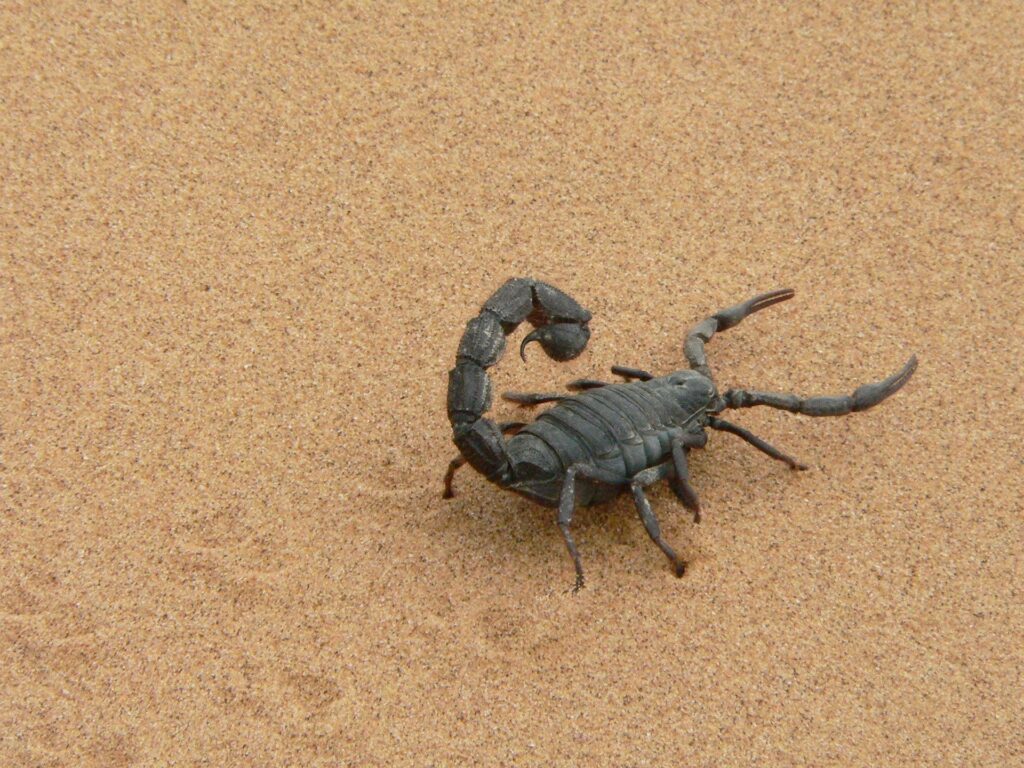
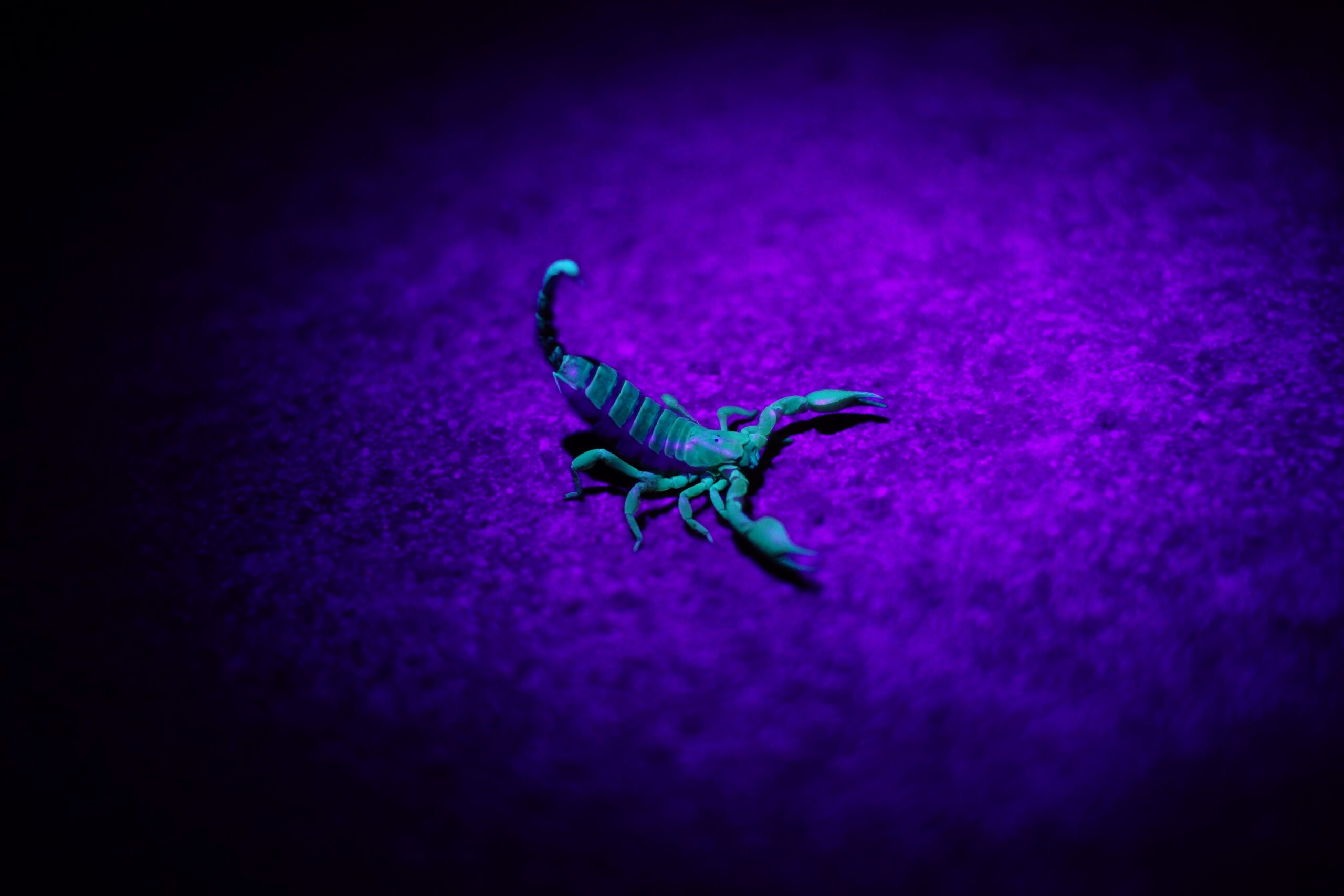
    You may have heard of scorpion venom being used in medicine, but what exactly is it used for? In this blog post, we will explore the use of scorpion venom in medicine. We will discuss what conditions it is used to treat and how it works. We will also touch on the potential side effects of using scorpion venom in medicine.

    What is scorpion venom?

    The venom of the scorpion is a highly toxic substance that can cause serious health problems in humans. The venom is composed of several different chemicals, including neurotoxins and enzymes that can cause cell death. The venom is injected into the victim through the sting of the scorpion.

    Scorpion venom is used in several different medical treatments, including antivenoms and treatments for certain types of cancer. Antivenoms are used to treat people who have been stung by a scorpion, and they work by neutralizing the toxins in the venom. Treatment for cancerous tumors often uses Scorpion Venom as well, as the venom is effective at killing cancer cells.

    How is scorpion venom used in medicine?

    Scorpion venom is used in a variety of medical treatments, including:

    -Anti-venom: Scorpion venom is used in the production of anti-venom, which is used to treat people who have been bitten by a scorpion.

    -Cancer treatment: Scorpion venom is being studied for its potential use in cancer treatment. A compound found in scorpion venom has been shown to kill cancer cells in laboratory studies.

    -Pain relief: Scorpion venom is being studied as a potential treatment for chronic pain. A compound found in scorpion venom has been shown to block pain signals in laboratory studies.

    What are the benefits of using scorpion venom in medicine?

    There are many potential benefits to using scorpion venom in medicine. Some of these include:

    1. Scorpion venom contains a variety of compounds that can be used to treat various medical conditions.

    2. Scorpion venom is very effective in treating pain.

    3. Scorpion venom can be used to treat certain types of cancer.

    4. Scorpion venom can be used to improve circulation.

    5. Scorpion venom can be used to boost the immune system.

    Are there any risks associated with using scorpion venom in medicine?

    Yes, there are some risks associated with using scorpion venom in medicine. For example, if the venom is not properly diluted, it can cause serious side effects such as tissue damage and even death. In addition, people who are allergic to bee stings may also be allergic to scorpion venom and could experience a severe reaction if they are exposed to it.

    Conclusion

    While there are many possible uses for scorpion venom, the most common is as an anti-inflammatory agent. In some cases, it can also be used to treat certain types of cancer. However, more research is needed to confirm its effectiveness in these areas.

  • What Does Snake’s Venom Do To Your Body? | Snake Venom Effects

    What Does Snake’s Venom Do To Your Body? | Snake Venom Effects


    In this article, we’re going to be discussing snake venom and what it does to your body. Snake venom is a very dangerous thing, and if you’re bitten by a snake that has venom, you need to get to a hospital as soon as possible. The effects of snake venom can be very serious, and in some cases, they can even be fatal. That’s why it’s important to know what to do if you are bitten by a snake, and how to identify the symptoms of snake venom poisoning.

    What is Snake Venom?

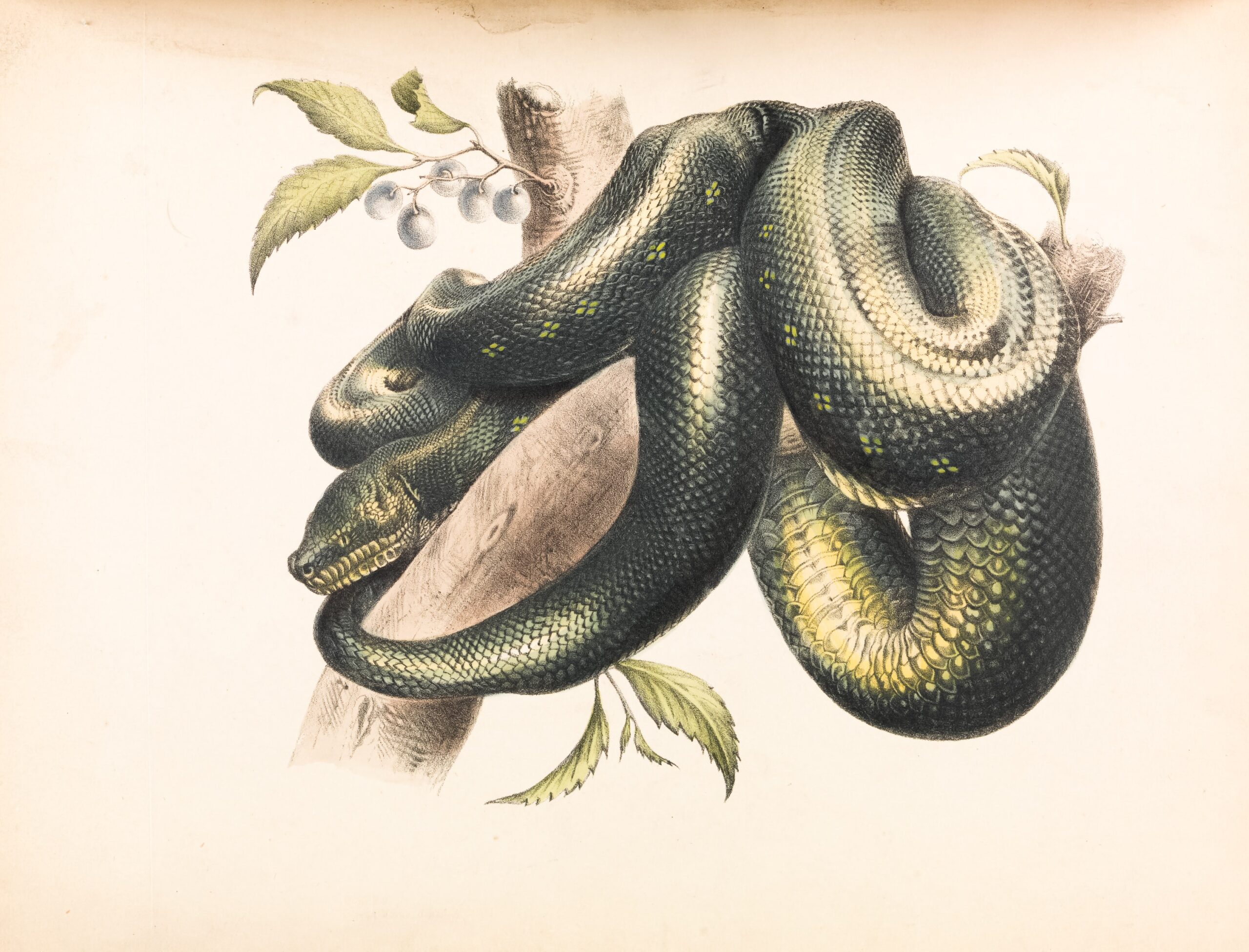
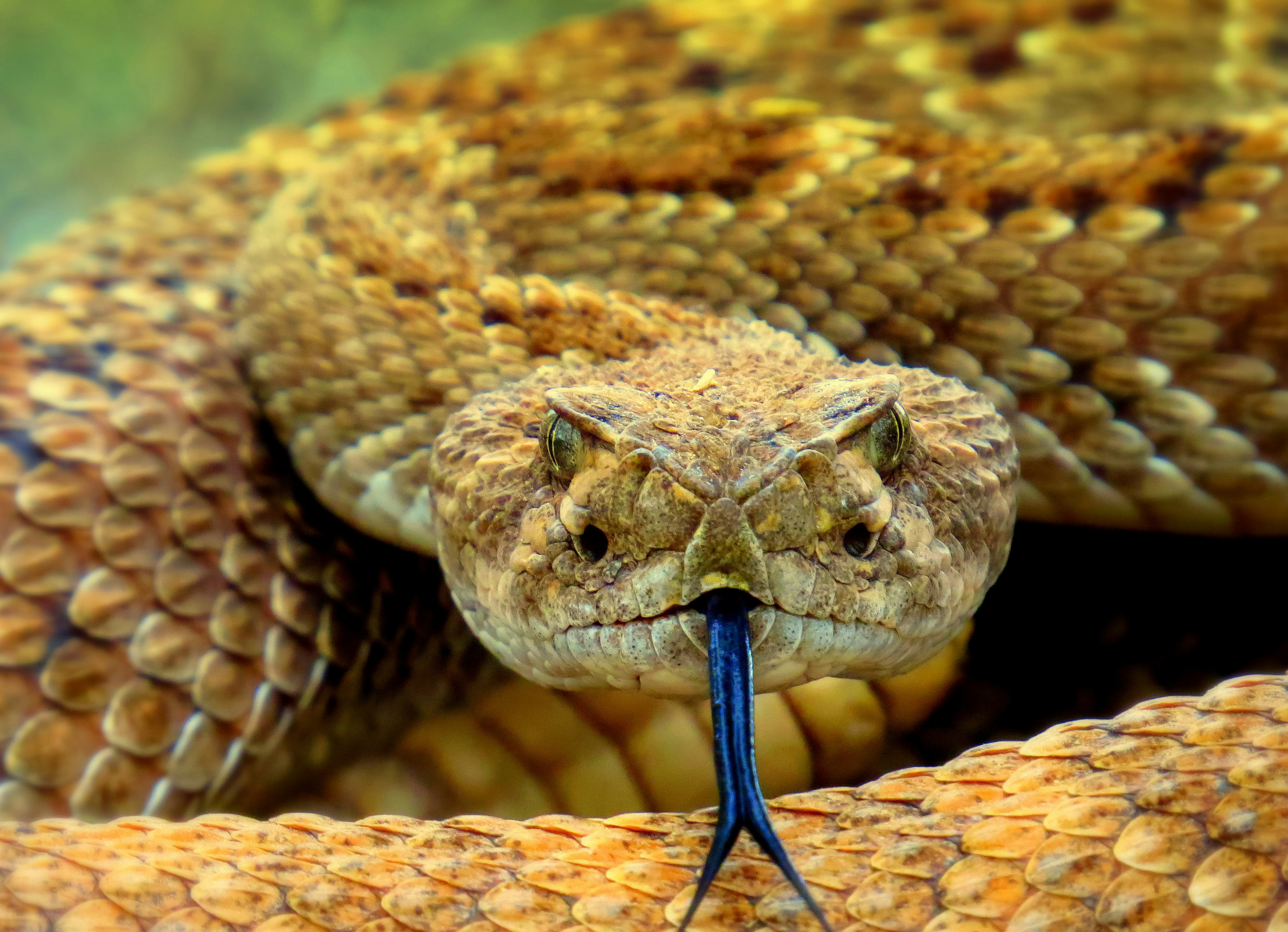
    Snake venom is a highly toxic substance that is produced by snakes as a way to defend themselves or kill their prey. When a snake bites, the venom is injected into the victim through the fangs. The venom then begins to attack the tissues and organs of the victim, causing severe pain, swelling, and even death.

    Snake venom is made up of a number of different toxins that target different systems in the body. For example, some toxins attack the nervous system, causing paralysis or even death. Other toxins attack the blood vessels, causing them to leak or clot. Still, others affect the heart or lungs, making it difficult for the victim to breathe.

    The severity of the symptoms depends on the type of snake, the amount of venom injected, and the individual’s own sensitivity to the venom. In some cases, antivenom can be used to counteract the effects of the venom, but this must be administered quickly after the bite occurs in order to be effective.

    How Does Snake Venom Work?

    Snake venom is a complex mixture of proteins that cause tissue damage, coagulopathy, and hypotension. These proteins are produced in the snake’s venom glands and are injected into prey through the fangs. The venom works by causing damage to cells, blood vessels, and nerves. It can also lead to organ failure and death.

    Snake venom is adapted to work quickly and efficiently on small prey. However, when humans are bitten by a venomous snake, the consequences can be much more serious. That’s because our bodies are much larger than the average snake’s prey. As a result, a bite from a venomous snake can cause extensive tissue damage, organ failure, and even death.

    There are many different types of snake venoms, each with its own unique mix of proteins that produce different effects on the body. Some venoms cause paralysis or necrosis (tissue death), while others lead to coagulopathy (disruption of blood clotting). Still, others cause hypotension (low blood pressure) or cardiotoxicity (heart damage).

    The severity of a snake bite depends on many factors, including the type of snake involved, the amount of venom injected, and the victim’s individual response to the venom. In general, however, bites from highly venomous snakes such as cobras or vipers can be very dangerous and even fatal if not treated immediately.

    What Are the Effects of Snake Venom on the Body?

    When a person is bitten by a snake, the venom travels through the bloodstream and begins to break down tissue and blood cells. This can cause a wide range of symptoms, including:

    -Nausea and vomiting
    -Diarrhea
    -Abdominal pain
    -Intense muscle cramping
    -Bleeding from the wound
    -Severe swelling at the site of the bite
    -Difficulty breathing
    In some cases, snake venom can also lead to kidney failure, paralysis, and even death.

    How to Treat a Snakebite

    If you’ve been unlucky enough to be bitten by a snake, the first thing you need to do is remain calm. It’s important to keep the affected area immobilized as much as possible to prevent the spread of venom. If you can, try to identify the type of snake that bit you so that you can get proper treatment.

    Once you’re sure that the area is immobilized, clean the wound with soap and water. Apply a bandage and seek medical attention immediately. If you’re in a remote area, call for emergency services or transport yourself to the nearest hospital. Be sure to keep the affected area below heart level to help slow the spread of venom.

    Some types of snake venom can cause serious tissue damage, so it’s important to get professional medical help as soon as possible. In some cases, antivenom may be necessary. Antivenom is a medication that helps your body break down and remove snake venom from your bloodstream.

    If you have any allergies or conditions that could complicate treatment, be sure to let your doctor know so they can take proper precautions. With prompt treatment, most people make a full recovery from a snakebite

    Conclusion

    Snake venom is a dangerous and potentially deadly substance. When injected into the body, it can cause a wide range of symptoms, from minor irritation to complete paralysis and death. If you are bitten by a snake, it is important to seek medical attention immediately so that the proper treatment can be administered. With prompt treatment, most people who are bitten by a venomous snake will make a full recovery.

  • The Secret Life of Spiders

    The Secret Life of Spiders

    “The Secret Life of Spiders” is a fascinating look at the hidden world of these often misunderstood creatures. From their unique mating rituals to the impressive structures they build, this article explores the many secrets of spider behavior and biology. With stunning photographs and detailed descriptions, this article offers a new perspective on these amazing animals.

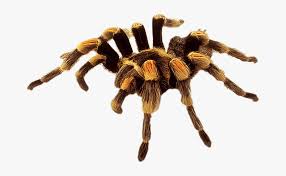
    There are many different types of spiders, with over 45,000 known species found all over the world. Some common types of spiders include wolf spiders, black widows, and orb-weaver spiders. Wolf spiders are large, hairy spiders that are typically found in grassy areas. Black widows are small, shiny spiders with distinctive red markings on their backs and are known for their venomous bite. Orb-weaver spiders are named for the circular webs they build, and are commonly found in gardens and fields. Other common types of spiders include jumping spiders, tarantulas, and cobweb spiders.

    Wolf spiders: Large, hairy spiders that are typically found in grassy areas.

    Wolf spiders are large, hairy spiders that are typically found in grassy areas. They are named for their wolf-like appearance and hunting behavior. Unlike many other spiders, wolf spiders do not spin webs to catch their prey.

    Instead, they hunt and chase down their prey using their excellent eyesight and speed. They are typically brown or grey in color, with distinctive markings on their backs. Wolf spiders are solitary animals and can be found in a variety of habitats, including forests, fields, and gardens.

    Black widows

    Black widows are small, shiny spiders with distinctive red markings on their backs. They are known for their venomous bite, which can cause muscle cramps and other symptoms in humans.

    Black widows are found in temperate regions throughout the world and are commonly found in dark, secluded areas such as under rocks or in garages and sheds.

    The female black widow is larger and more venomous than the male and is known for eating the male after mating. Despite their reputation, black widows are not aggressive and will only bite if threatened.

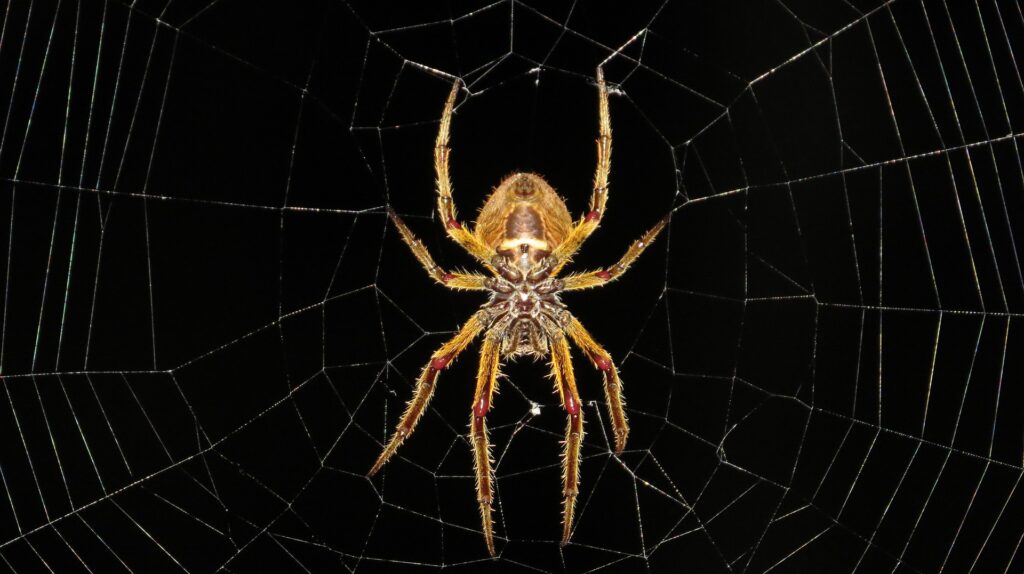
    Orb-weaver spiders

    Orb-weaver spiders are named for the circular webs they build, and are commonly found in gardens and fields. They are named for their orb-shaped webs, which are made up of spiral-shaped threads of silk.

    Orb-weaver spiders are typically found in warm, sunny areas, and are most active at night. They use their webs to catch insects and other small prey, and will quickly rebuild their webs if they are damaged.

    Orb-weaver spiders come in a variety of colors, including yellow, black, and red, and can range in size from small to large.

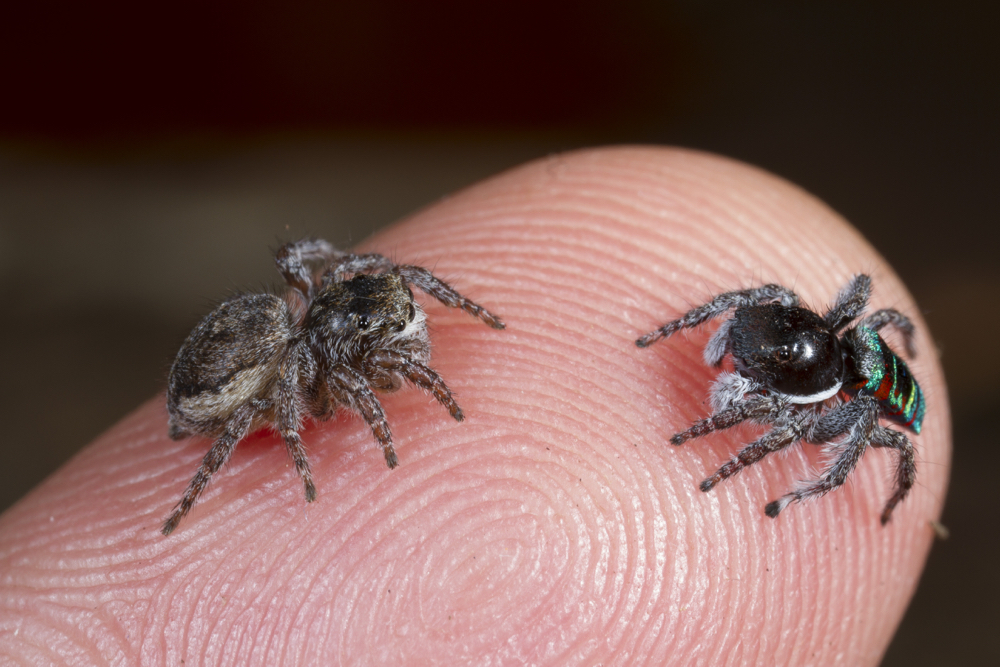
    Jumping spiders

    Jumping spiders are small, agile spiders that are known for their ability to jump long distances. They are named for their jumping behavior, which they use to catch prey and navigate their surroundings. Jumping spiders have excellent eyesight and are able to see clearly in bright light and at a distance.

    They are typically brightly colored and have distinctive markings on their bodies. Jumping spiders are found in a variety of habitats, including forests, fields, and gardens. They are solitary animals and do not spin webs to catch their prey. Instead, they use their jumping ability and quick reflexes to catch insects and other small prey.

    Cobweb spiders

    Cobweb spiders are a type of spider that build cobweb-like webs to catch their prey. These spiders typically have long, thin legs and a round abdomen. They are commonly found in homes and other buildings, where they build their webs in corners and crevices.

    Cobweb spiders are not aggressive and generally only bite when threatened or provoked. Some common cobweb spider species include the American house spider and the Northern black widow spider.

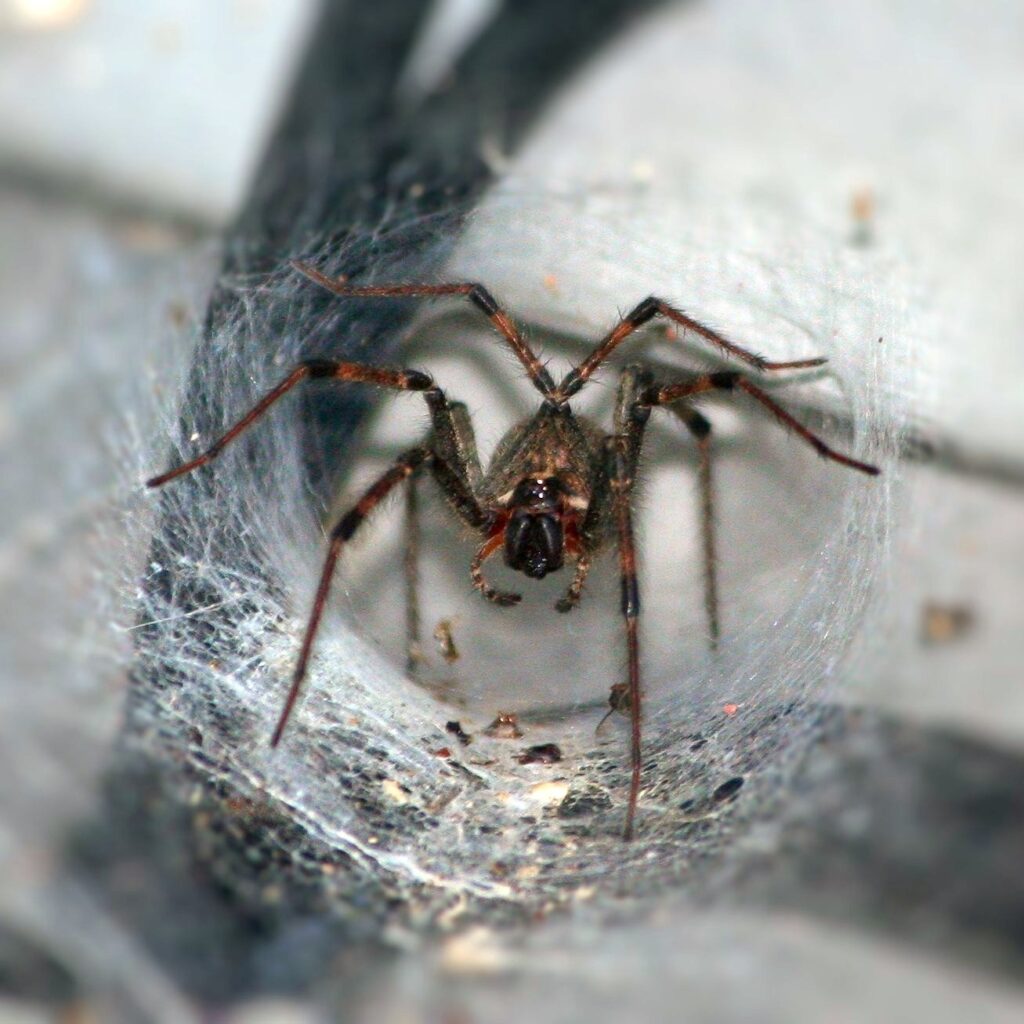
    Funnel-web spiders

    Funnel-web spiders are a type of spider that builds funnel-shaped webs. These webs typically have a narrow opening at one end, which leads to a wider, funnel-shaped area where the spider hides and waits for its prey.

    Funnel-web spiders are found in many parts of the world, including Australia, where they are known for their venomous bites. Some species of funnel-web spiders are considered to be among the most venomous spiders in the world. Although they are generally not aggressive, they will bite if they feel threatened.

    Redback spiders

    Redback spiders are a type of spider that is native to Australia. They are closely related to the black widow spider and are known for their distinctive red stripe on their abdomen. Redback spiders are venomous and their bites can be dangerous to humans, although they are not usually fatal.

    Redback spiders are found throughout Australia, particularly in urban areas, and they build webs in dry, sheltered places such as under logs, in sheds, and in gardens. Like other spiders, they feed on insects and other small prey.

    Brown recluse spiders

    Brown recluse spiders are a type of spider that is found primarily in the central and southern United States. They are known for their distinctive appearance, which includes a dark brown or reddish-brown body and a violin-shaped marking on their back brown recluse spiders are venomous and their bites can cause serious injuries, including tissue death and necrosis.

    These spiders are not aggressive and typically only bite when they are disturbed or threatened. They are commonly found in homes and other buildings, where they build webs in dark, quiet areas such as attics and closets.

  • Black Spiders and Scorpions

    Black Spiders and Scorpions

    Our company, Reptilesmod, specializes in sourcing and selling exotic reptile species, including black spiders and scorpions. We carefully select each animal to ensure they are healthy and well-cared for and provide detailed care instructions to ensure they thrive in their new homes.

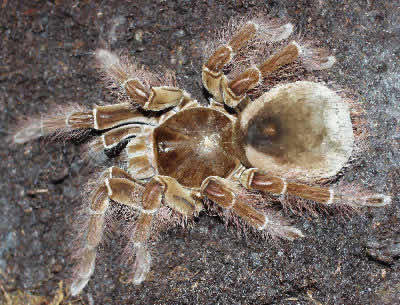
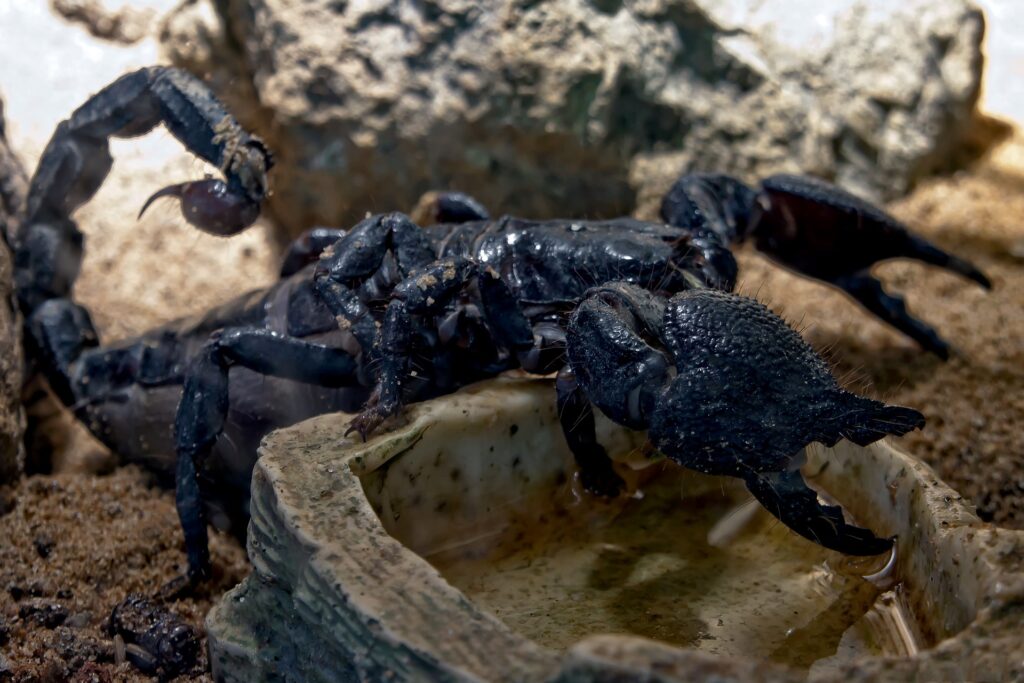
    Our black spider and scorpion collection features a wide range of species, including the deadly black widow spider and the majestic emperor scorpion. We also offer rare and exotic species, such as the Brazilian black tarantula and the Gooty sapphire ornamental tarantula.

    Whether you’re a seasoned reptile enthusiast or just starting, our black spider and scorpion collection has something for everyone. Browse our selection and add a touch of excitement and danger to your collection today.

    Introduction:

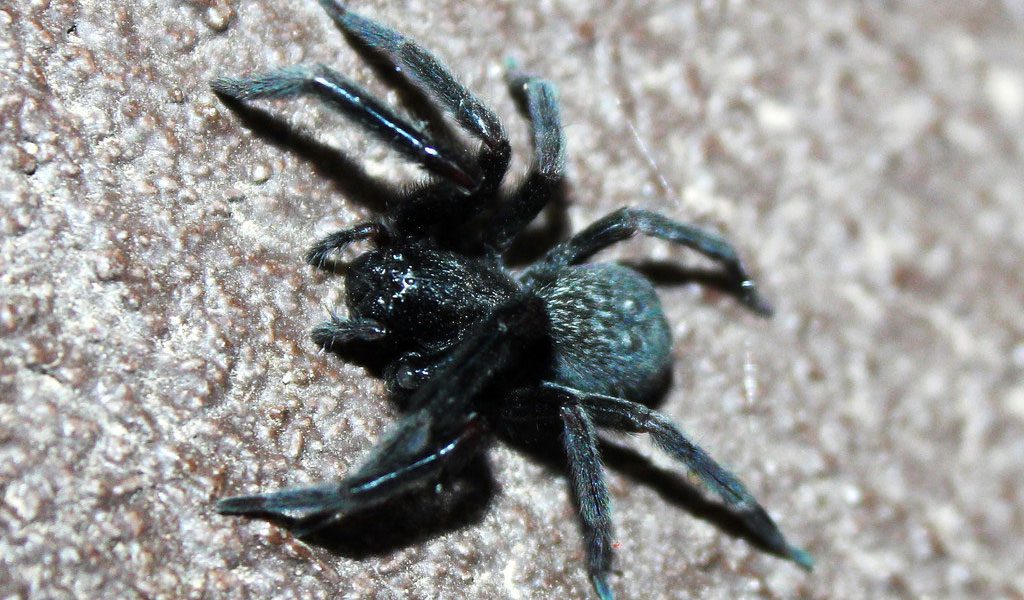
    Black spiders are a fascinating and often misunderstood group of creatures. Known for their striking black coloration and venomous abilities, these spiders can be both beautiful and dangerous. In this article, we will explore the world of black spiders, examining their unique characteristics and behaviors.

    From the deadly black widow to the majestic tarantula, black spiders come in a variety of shapes, sizes, and species. In the wild, they can be found on every continent except Antarctica, and are known for their stealthy hunting techniques and ability to adapt to a wide range of environments.

    Despite their fearsome reputation, black spiders are also incredibly beautiful creatures. Their sleek, shiny bodies and intricate web-weaving abilities make them a fascinating subject for study and appreciation.

    In the following sections, we will delve deeper into the world of black spiders, examining their beauty, their danger, and their importance in the natural world.

    The Various Species of Black Spiders and Their Behaviors:

    Black spiders come from a wide range of species, each with its own unique characteristics and behaviors. Some of the most well-known black spider species include:

    • Black widow spiders: These venomous spiders are known for their distinctive hourglass-shaped marking on their abdomen, as well as their tendency to eat their mates after mating.
    • Brazilian black tarantulas: These large, impressive spiders are known for their glossy black coloration and agile hunting abilities.
    • Gooty sapphire ornamental tarantulas: These rare and exotic tarantulas are prized for their striking metallic blue and black coloration.
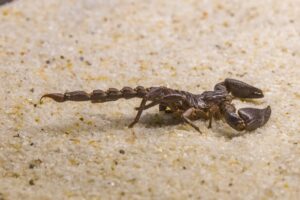
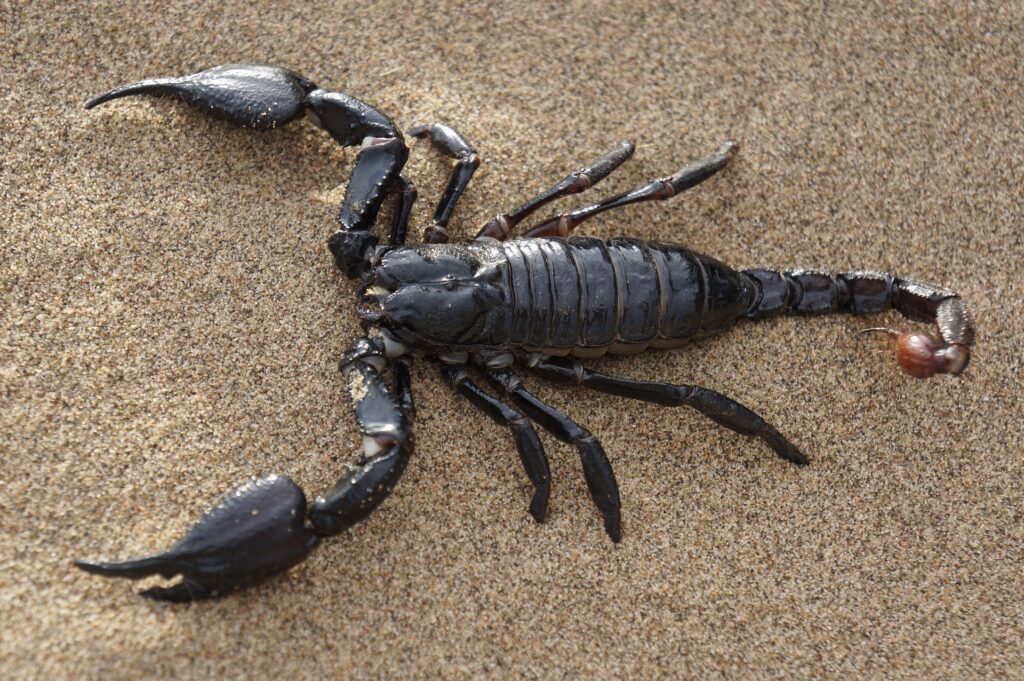
    • Emperor scorpions: These majestic scorpions are known for their glossy black exoskeleton and their ability to deliver a powerful, but generally non-fatal, sting.

    Black spiders are known for their stealthy hunting techniques and ability to adapt to a wide range of environments. Some species, such as the black widow, are solitary creatures that build intricate webs to capture their prey. Others, such as the emperor scorpion, are nocturnal hunters that use their venom to subdue their victims.

    Despite their fearsome reputation, black spiders are also fascinating creatures to observe and study. Their unique behaviors and adaptations make them an important part of the natural world, and understanding their habits can help us better appreciate and protect these incredible animals.

    The Beauty and Aesthetic Appeal of Black Spiders

    Despite their reputation as dangerous predators, black spiders are also incredibly beautiful creatures. Their sleek, shiny bodies and intricate web-weaving abilities make them a fascinating subject for study and appreciation.

    Some of the most beautiful black spider species include:

    • Brazilian black tarantulas: These large, impressive spiders are known for their glossy black coloration and agile hunting abilities.
    • Gooty sapphire ornamental tarantulas: These rare and exotic tarantulas are prized for their striking metallic blue and black coloration.
    • Emperor scorpions: These majestic scorpions are known for their glossy black exoskeleton and their ability to deliver a powerful, but generally non-fatal, sting.

    In addition to their physical beauty, black spiders are also fascinating to watch in action. Their intricate web-weaving abilities, stealthy hunting techniques, and impressive agility make them a captivating sight to behold.

    Whether you admire them from a safe distance or keep them as pets, black spiders are an intriguing and aesthetically appealing addition to any collection. Their beauty and grace make them an important part of the natural world, and one that should be celebrated and protected.

    The Dangerous and Venomous Abilities of Black Spiders:

    While black spiders may be beautiful and fascinating creatures, they are also known for their dangerous and venomous abilities. Many species, including the black widow and the emperor scorpion, are capable of delivering painful and potentially deadly stings or bites.

    Black widow spiders are known for their venomous bites, which can cause severe muscle cramps and difficulty breathing. These spiders are often found in dark, hidden places, such as under rocks or in wood piles, and are most active at night.

    Emperor scorpions, while not as venomous as black widows, are still capable of delivering a painful sting. These impressive creatures are nocturnal hunters and use their venom to subdue their prey.

    It is important to understand and respect the dangerous abilities of black spiders, and to handle them with care. While they can make fascinating and beautiful pets, it is crucial to follow proper care and handling guidelines to ensure the safety of both the spider and the owner.

    The Importance of Understanding and Respecting Black Spiders in the Wild and in Captivity:

    Black spiders are an important and fascinating part of the natural world, and understanding and respecting these creatures is crucial to their survival and conservation. In the wild, black spiders play important roles in their ecosystems, controlling insect populations and serving as prey for larger animals.

    In captivity, black spiders can make fascinating and rewarding pets, but it is important to provide them with proper care and attention. This includes providing them with a suitable enclosure, proper diet, and regular health checks to ensure they are happy and healthy.

    By understanding and respecting black spiders, we can better appreciate these incredible creatures and ensure their continued survival in the wild and in captivity. Whether you admire them from a safe distance or keep them as pets, black spiders are an important and fascinating part of the natural world.