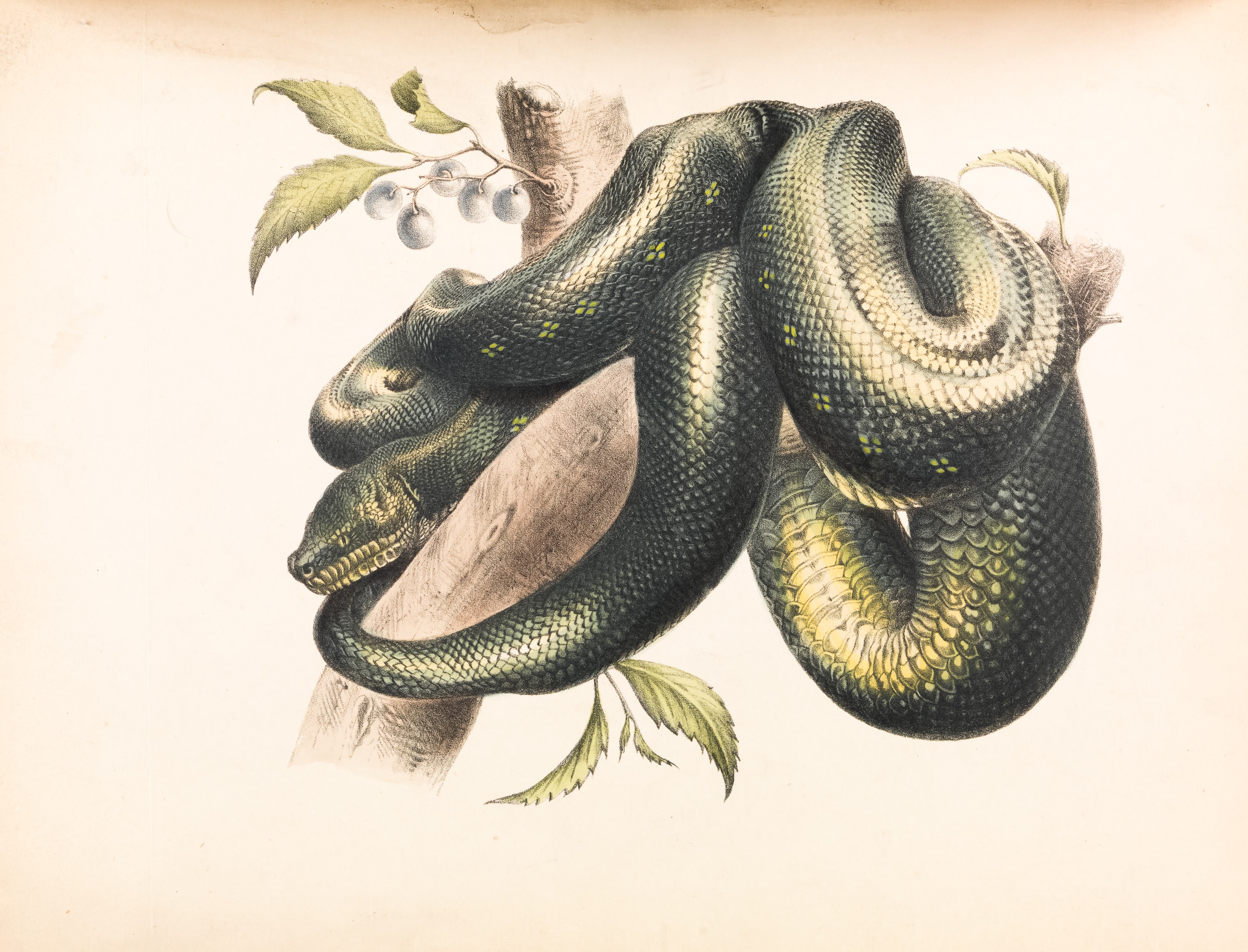
For millennia, venoms were viewed strictly as hazards to avoid. Today, thanks to high-resolution mass spectrometry and molecular biology—a discipline known as venomics—scientists recognize natural venoms from snakes, scorpions, and spiders as precision pharmacological toolkits refined by hundreds of millions of years of natural selection.
Snake Venom Breakthroughs in Cardiovascular Medicine
One of the most celebrated milestones in modern medicine began with venom from the South American pit viper (Bothrops jararaca). In the late 1960s and 1970s, pharmacologists discovered that peptides in this viper’s venom potently inhibited angiotensin-converting enzyme (ACE), lowering blood pressure dramatically. That discovery directly inspired Captopril, launching the entire global class of ACE-inhibitor medications used today by tens of millions of hypertension and heart-failure patients.
- Antiplatelet Therapies: Medications such as Eptifibatide (derived from southeastern pygmy rattlesnake venom proteins) and Tirofiban (inspired by saw-scaled viper disintegrins) help prevent dangerous coronary blood clots during acute cardiac care.
- Diagnostic Coagulation Assays: Purified snake venom enzymes serve daily in hospital hematology labs to diagnose subtle clotting disorders with remarkable precision.
Scorpion Peptides in Precision Oncology and Immunology
Scorpion venoms are exceptionally rich in compact, heat-stable proteins that bind selectively to ion channels on human cells. Perhaps the most famous compound is Chlorotoxin, a 36-amino-acid peptide originally isolated from the Deathstalker scorpion (Leiurus quinquestriatus). Researchers discovered that chlorotoxin binds preferentially to specific surface receptors on brain tumor (glioma) cells while ignoring healthy neurons.
By linking synthetic chlorotoxin derivatives to fluorescent markers, oncology researchers developed experimental “tumor paint” imaging probes designed to help neurosurgeons visually distinguish microscopic cancer margins during delicate operations. Parallel research continues on scorpion-inspired potassium-channel blockers for autoimmune and chronic inflammatory conditions.
Spider Venom Molecules and Non-Opioid Pain Research
Managing severe chronic pain without the addiction risks of traditional opioids remains one of pharmacology’s greatest challenges. Spider venoms offer promising leads because certain tarantula and funnel-web peptides selectively silence the Nav1.7 sodium channel—a key electrical gateway that transmits pain signals in peripheral nerves. Additionally, a unique peptide called Hi1a discovered in Australian funnel-web spider venom has shown compelling laboratory potential for protecting brain and heart tissue from cellular damage following acute ischemic injury.
Beyond Venoms: The Chiroptera (Bat) Medical Connection
Snakes, spiders, and scorpions are not the only nocturnal species driving medical discovery. Salivary proteins from the vampire bat (Desmodus rotundus) inspired Desmoteplase, a fibrin-selective clot-dissolving enzyme extensively studied for ischemic stroke therapy—proving why protecting global wildlife diversity directly safeguards future human medicine.
Ethical Sourcing and the Future of Synthetic Proteomics
Crucially, modern venom pharmacology no longer depends on mass harvesting of wild animals. Once a promising peptide sequence is mapped from a tiny, non-lethal research sample—collected humanely from verified captive populations—pharmaceutical laboratories synthesize identical molecules recombinantly or chemically at scale. Preserving healthy reptile, arachnid, and bat ecosystems ensures that millions of undiscovered bioactive molecules remain intact for generations to come.
Frequently Asked Questions
Are venom-derived medicines safe if natural venom is toxic?
Yes. Raw venom contains dozens of distinct compounds working together. Scientists isolate a single beneficial molecular mechanism, synthesize a purified pharmaceutical analog, and subject it to years of rigorous clinical safety trials before approval.
Are animals harmed during modern venom research collection?
No. Ethical research institutions use humane, non-lethal extraction techniques on healthy captive-bred specimens, and once a peptide’s amino-acid blueprint is sequenced, future drug manufacturing is entirely synthetic.
Why are wildlife venoms superior to random synthetic chemical libraries?
Millions of years of evolution have already optimized venom peptides for high molecular stability and pinpoint receptor selectivity—traits that are extraordinarily difficult to design from scratch in a lab.